Birdcontrol Selector
Start now

Step by Step-Instructor
We will show you which bird control solutions best fit your needs.

Phone-icon
Phone:
+49 69 4800 9779
© 2012 TONI
Solutions

Decoys

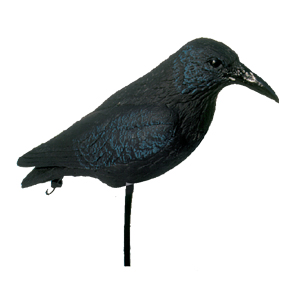
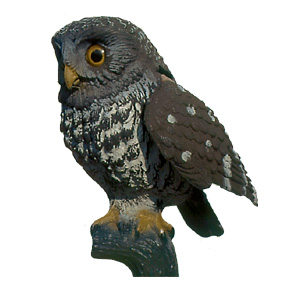
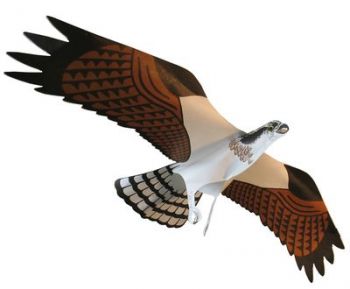
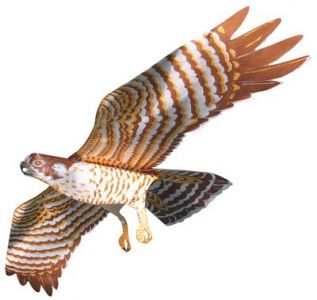
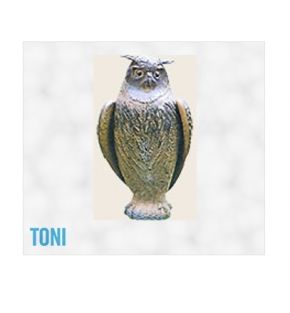
Predator decoys imitate natural enemies and thus increase hostile pressure in the affected area.

Predator decoys are available as “passive” decoys to hang or position and “active” decoys, flying robots and bird decoys with controllable movements.

Decoys and robot birds are suitable for low to medium populations of birds.

Direkt zum Shop


The important characteristics of predator decoys

  • Predator decoys increase the natural hostilities in an affected area.
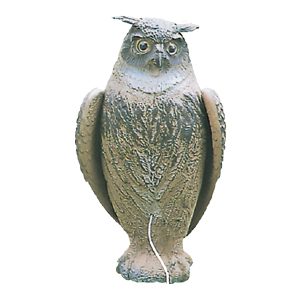
  • Most decoys can be positioned in various locations. Raven, Eagle, Owl and Kestrel decoys can be hung almost anywhere; which moves in the wind, thus increases their effectiveness.
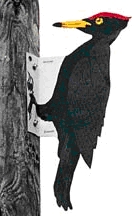
  • Woodpecker decoys signal to other woodpeckers that the structure is “occupied”. As these birds are very territorial, the facades can be effectively protected from woodpeckers.
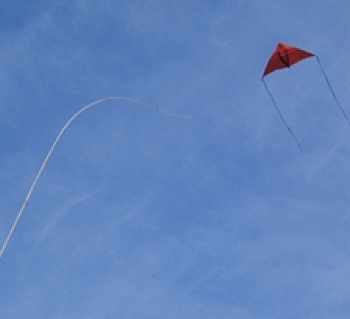
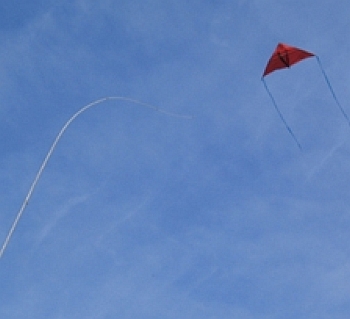
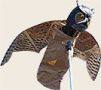
  • Our predator kite for the agricultural sector consists of a 9.6m long fibre glass rod, with a 1.11m wingspan predator decoy attached. The decoy moves freely in the wind.

available Predator decoys


Pros
  • Natural control method
  • Short and medium term effectiveness depends on the population
  • Universally deployable
  • Weather resistant and robust
  • The predator kite is ca. 10m high and can protect large areas.
Cons
  • Visually noticeable
  • High habituation effect, the birds recognise that the decoys are not dangerous.

The important characteristics of Bird Robot Robop

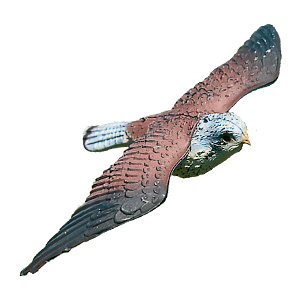
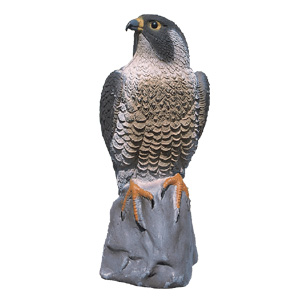
  • Robop is an falcon decoy with movement mechanisms that perfectly imitate a Peregrine falcon. The head, wings and the whole body move at irregular intervals - controlled by an integrated microprocessor. an additional repelling effect is achieved by typical 85 db falcon cries. Robop is only active during the day because of a light sensor.
  • The decoy is positioned as high as possible over the problem area. It should as visible as possible. In order to reduce the habituation effect it must be repositioned ca. every two weeks.
  • Robop can also be supplied on a trailer. The decoy is assembled on the end of a 3.6m moveable rod. Robop is then visible over a large area - particularly interesting for open areas (landfills, airports).
  • Robop is versatile, it is used on buildings, silos, landfills, large parking lots and golf courses etc. It has even been used on overhead power lines. It can also be placed on roofs - a solar module makes it independent of a power supply.

In the Robop-catalogue you can find more information.

Video - Robop

Um diesen Film anzuzeigen muss Javascript aktiviert
und der Flash Player installiert sein.

Bird Robot Robop


Pros
  • Natural method of control
  • Controllable at all times
  • Short to medium term effectiveness depends on the population
  • Universally deployable
  • Weather resistant and robust
  • Independent of power supply due to additional solar panel
Cons
  • Visually noticeable
  • The batteries must be regularly recharged.
  • Habituation possible.
  • The decoy must be frequently repositioned to prevent habituation.
  • Long delivery time